
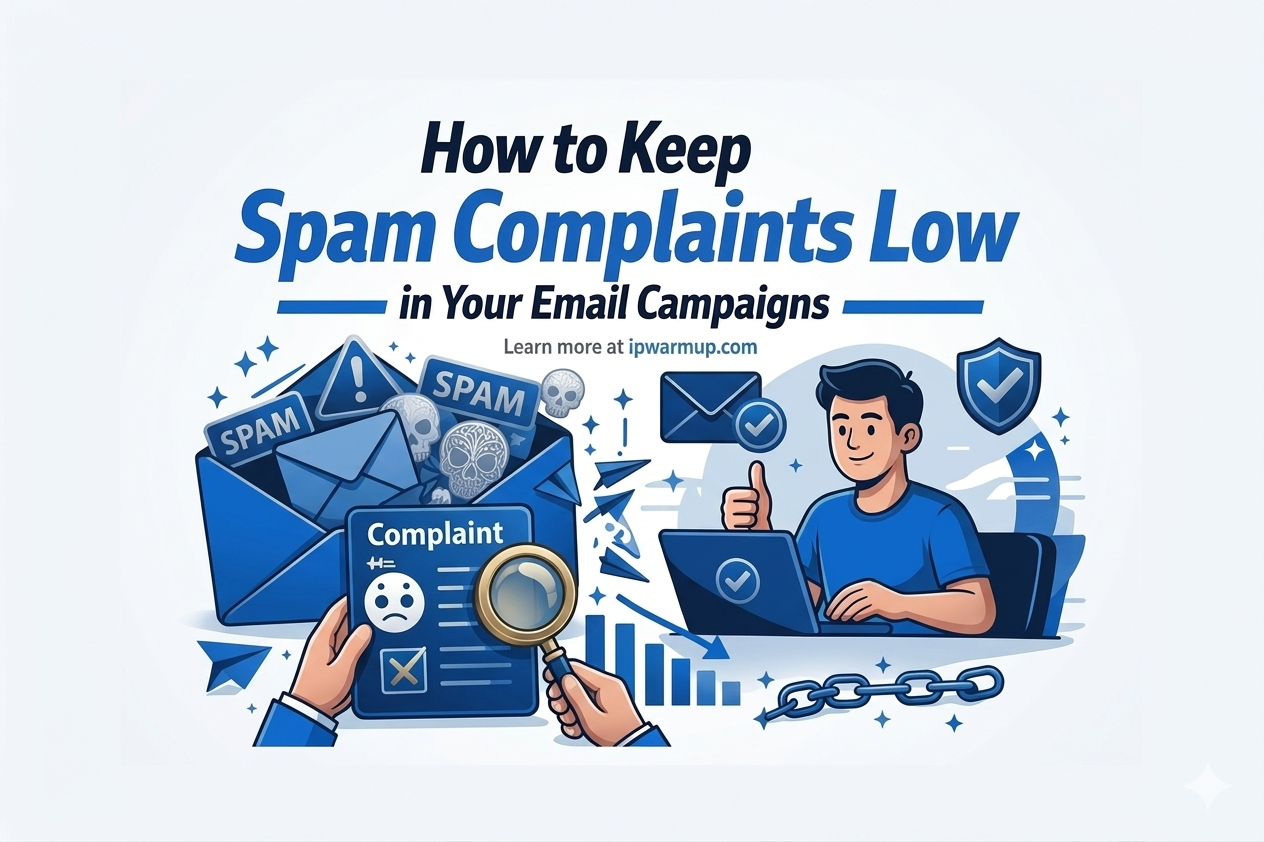
If your emails are landing in spam more often than you want, the first thing to look at is spam complaints. This is one of those small numbers that can create a big problem. Even a few people clicking the spam button can hurt your sender reputation and make future emails harder to deliver.
The good news is that spam complaints are usually preventable. You just need to be a little more careful about what you send, who you send it to, and how you start sending from a new domain or IP.
Why spam complaints matter
A spam complaint is simple. Someone gets your email and decides they do not want it, so they mark it as spam. That sounds minor, but mail providers pay close attention to it.
If the complaint rate stays high, inbox providers start treating your messages with less trust. That can lead to more emails being filtered, more messages landing in spam, and fewer people seeing what you send. So yes, this matters a lot.
Keep your list clean
This is probably the easiest place to start.
If you are sending to old, inactive, or low-quality addresses, spam complaints go up. People forget they signed up, or they never wanted the email in the first place. Then they hit spam, and your reputation takes the hit.
A cleaner list usually means:
- fewer complaints
- better engagement
- better inbox placement
It is worth checking your list regularly and removing addresses that are no longer active.
Make the first email simple
A lot of spam complaints happen because the first email feels too aggressive.
If someone is hearing from you for the first time, do not act like they already know your whole offer. Keep the message short, clear, and relevant. The goal is not to force a sale immediately. The goal is to make the person feel like the email belongs in their inbox.
A few simple habits help:
- use a clear sender name
- write a subject line that matches the email
- keep the body focused on one idea
- make the unsubscribe link easy to find
That last one matters more than people think. If leaving is easy, people are less likely to mark your email as spam.
Do not send too much too soon
If you start sending a lot of emails from a new domain or IP right away, that often creates problems. Even if your list is decent, sudden volume can look suspicious.
This is where initial sending matters. You want the sending pattern to look steady and normal, not rushed. A slow and controlled start usually gives better results than a big blast.
For that stage, many teams use a managed Email Warmup Service to handle the initial sending process, so the domain and IP can build trust before larger campaigns begin. That helps reduce the risk of spam complaints early on. You can learn more here: https://ipwarmup.com/email-warmup-service
Watch the signs early
Spam complaints usually do not appear out of nowhere. There are warning signs.
If you notice low opens, high bounces, or replies from people saying they do not remember signing up, that is your cue to slow down. Those are usually signs that something is off with the list, the content, or the sending pattern.
The earlier you catch it, the easier it is to fix.
Final thought
Keeping spam complaints low is not complicated, but it does require discipline. Send to people who are likely to want your emails, keep the message relevant, and do not rush the initial sending phase.
If you protect your reputation early, your campaigns will have a much better chance of reaching the inbox later.
Advertisement: